Online courses
More knowledge. Practical skills. Better parasite management.
Develop a thorough understanding of faecal egg counting and sustainable parasite management with FEC it® comprehensive online courses.
Whether you care for your own animals or work with other people’s, these courses bring together the science behind parasite control, step-by-step testing techniques and the knowledge needed to make sense of your results.
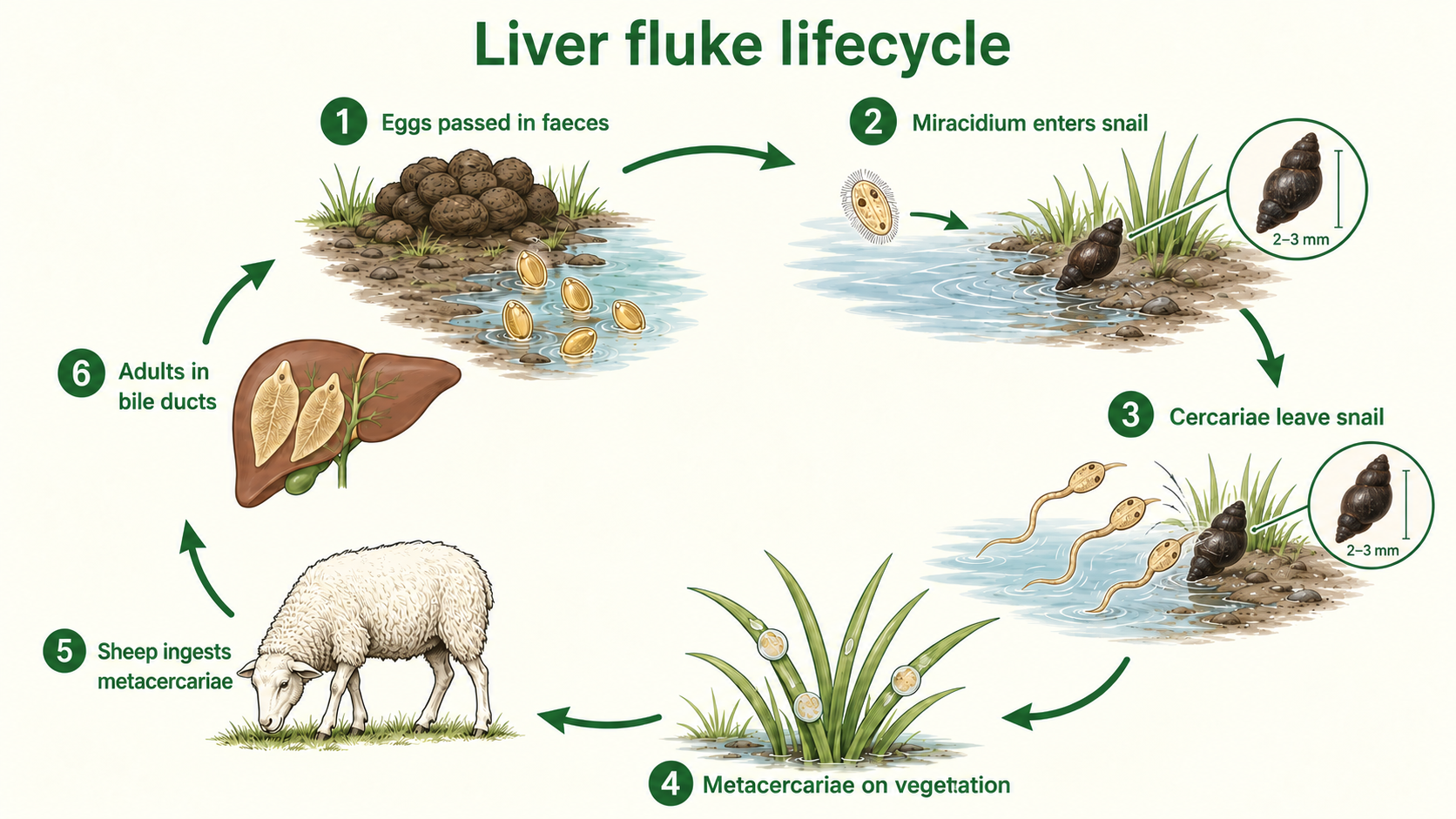
Understand what happens beyond the microscope. Explore parasite lifecycles, immunity and the effects of weather, pasture and animal management on infection risk. Learn how resistance to wormers develops, how to check treatment effectiveness and why these issues matter for the future of parasite control.
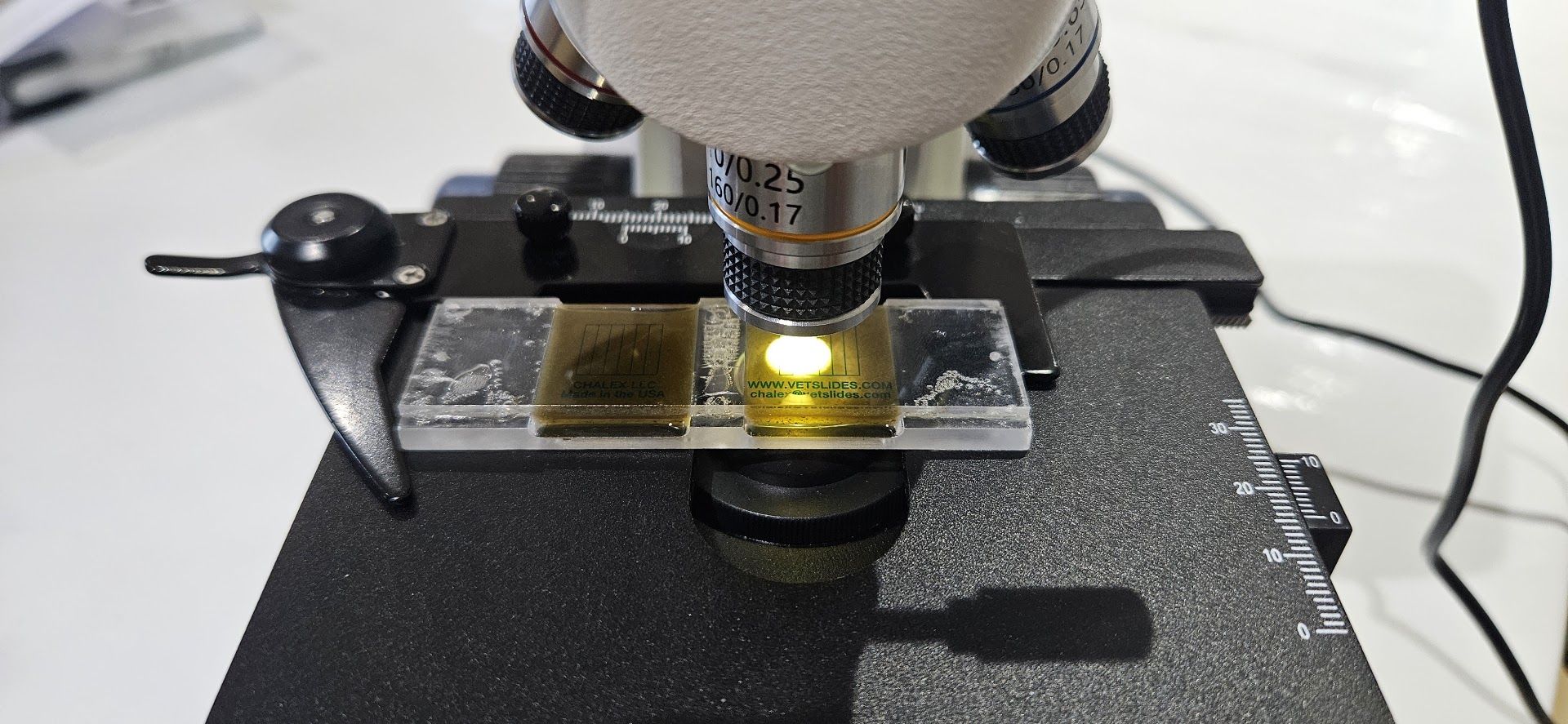
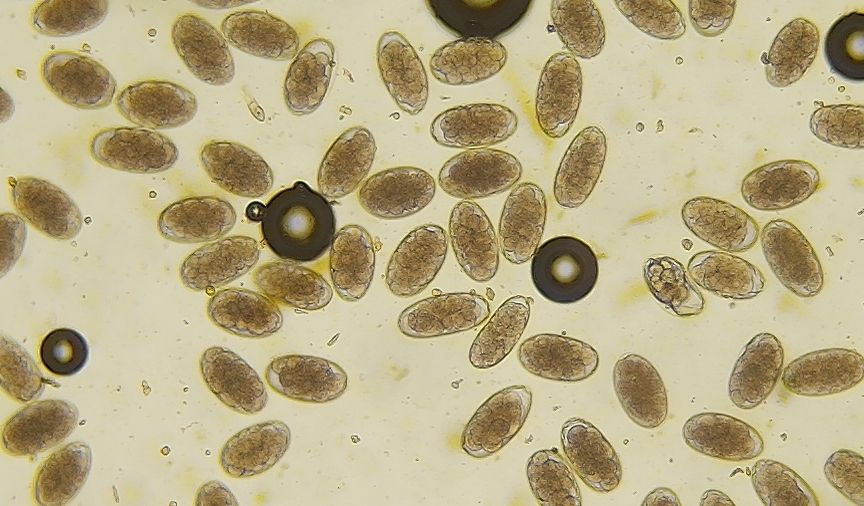
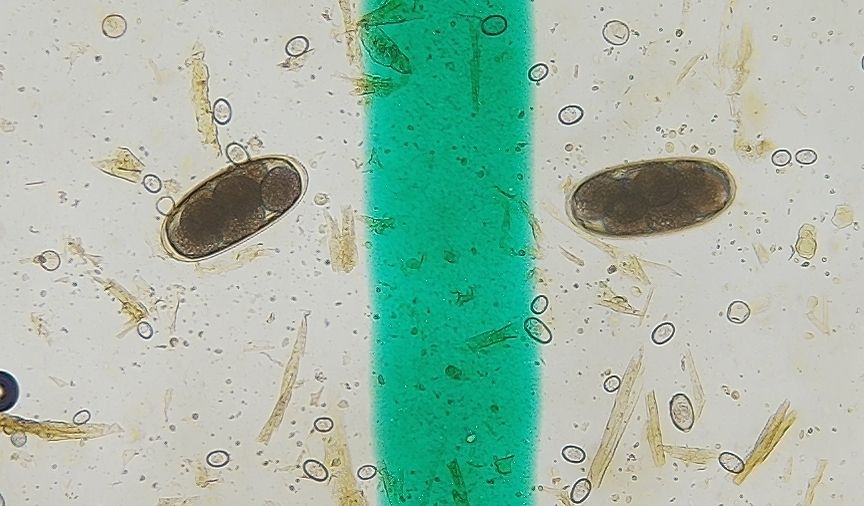
See how testing works in practice. Narrated video lessons and practical demonstrations guide you through choosing equipment, understanding flotation, collecting and preparing samples, using your microscope and performing faecal egg counts. Detailed microscope footage helps you recognise parasite eggs and other findings, understand their distinguishing features and avoid common identification mistakes.
Put your findings into context. Learn how to interpret results alongside an animal’s age, health and history, recognise the limitations of different tests and understand when further investigation is needed. Explore how monitoring, targeted treatment, grazing management, nutrition and biosecurity work together in sustainable parasite management.
Quizzes reinforce your learning throughout. Downloadable key facts, practical instructions, identification charts and tally sheets support you as you develop your skills, while extensive links to trusted resources, further reading and expert webinars let you explore topics in greater depth.
Choose Equine, Ruminant or both, with 12 months’ access to work through the material at your own pace and return to it as you put your learning into practice.
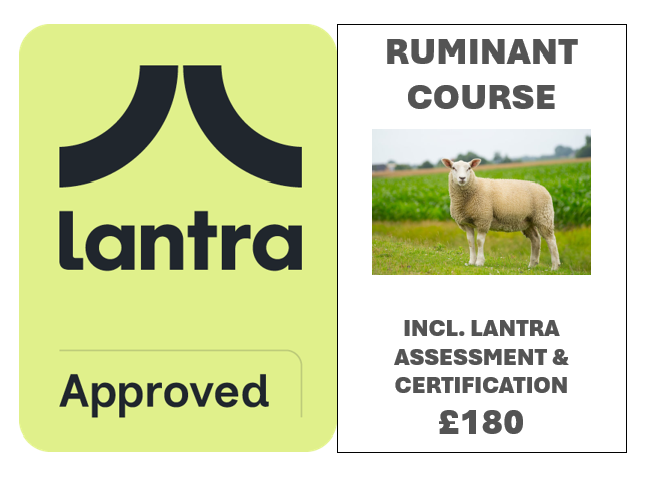
Study for your own knowledge or select the LANTRA-accredited option when booking, including online assessments and certification following successful completion.
Explore the course options below.
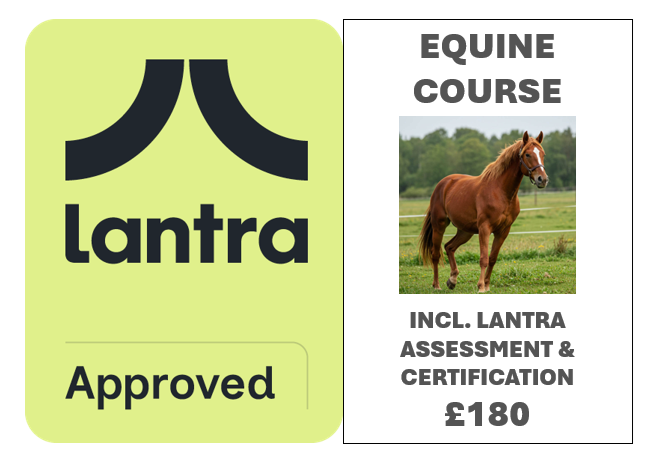
Equine Faecal Egg Counting & Sustainable Parasite Management
From collecting a sample to understanding your results—develop the knowledge and practical skills to carry out faecal egg counts for horses and donkeys.
Whether you care for your own equines or work with other people’s animals, this course takes you step by step through the faecal egg counting process. Clear explanations and detailed microscope videos help you connect what you learn with what you will see when testing samples yourself.
Whether you care for your own equines or work with other people’s animals, this course takes you step by step through the faecal egg counting process. Clear explanations and detailed microscope videos help you connect what you learn with what you will see when testing samples yourself.
You will learn how to:
- Collect, store and prepare suitable faecal samples.
- Set up, use and care for your microscope.
- Carry out a McMaster faecal egg count and calculate eggs per gram.
- Recognise the main equine parasite eggs and distinguish them from debris and other misleading findings.
- Interpret results alongside the animal’s age, health, management and treatment history.
- Understand the role and limitations of faecal egg counts within sustainable parasite management, including checking wormer effectiveness.
The course also explores parasites that need different testing approaches, helping you understand when a routine faecal egg count cannot provide the full picture.
Learn at your own pace, with video lessons, downloadable key facts and quizzes throughout to reinforce your understanding.
Choose the course on its own, or add Lantra-accredited assessment and certification to formally demonstrate your learning.

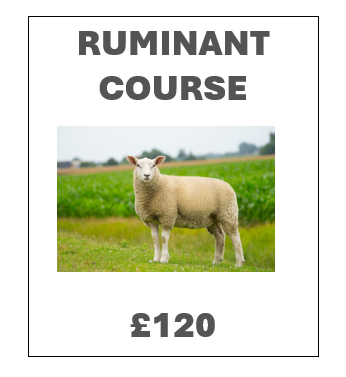
Ruminant Faecal Egg Counting & Sustainable Parasite Management
From collecting a sample to understanding your results—develop the knowledge and practical skills to carry out faecal egg counts for sheep, goats and cattle.
Whether you keep your own animals or work with other people’s livestock, this course takes you step by step through the faecal egg counting process.
Clear explanations and detailed microscope videos help you connect what you learn with what you will see when testing samples yourself.
You will learn how to:
The course explores important differences between sheep, goats and cattle, and explains why findings such as Nematodirus eggs or coccidia oocysts need careful interpretation.
You will also learn about parasites that require different testing approaches, including fluke and lungworm, helping you understand when a routine faecal egg count cannot provide the full picture.
Learn at your own pace, with video lessons, downloadable key facts and quizzes throughout to reinforce your understanding.
Choose the course on its own, or add Lantra-accredited assessment and certification to formally demonstrate your learning.
Whether you keep your own animals or work with other people’s livestock, this course takes you step by step through the faecal egg counting process.
Clear explanations and detailed microscope videos help you connect what you learn with what you will see when testing samples yourself.
You will learn how to:
- Collect, store and prepare suitable faecal samples.
- Set up, use and care for your microscope.
- Carry out a McMaster faecal egg count and calculate eggs per gram.
- Recognise the main ruminant parasite eggs and coccidia oocysts, and distinguish them from debris and other misleading findings.
- Interpret results alongside the animal’s age, health, grazing conditions and treatment history.
- Understand the role and limitations of faecal egg counts within sustainable parasite management, including checking wormer effectiveness.
The course explores important differences between sheep, goats and cattle, and explains why findings such as Nematodirus eggs or coccidia oocysts need careful interpretation.
You will also learn about parasites that require different testing approaches, including fluke and lungworm, helping you understand when a routine faecal egg count cannot provide the full picture.
Learn at your own pace, with video lessons, downloadable key facts and quizzes throughout to reinforce your understanding.
Choose the course on its own, or add Lantra-accredited assessment and certification to formally demonstrate your learning.
Equine & Ruminant Course Bundle
Develop your faecal egg counting skills across horses, donkeys, sheep, goats and cattle—with both courses in one great-value bundle.
Ideal for owners of mixed-species holdings and those working with a range of animals, this bundle combines our complete Equine and Ruminant courses.
You will explore the parasites affecting each group, learn what to look for under the microscope and understand how to interpret your findings in context.
Step-by-step video demonstrations guide you through sample collection and preparation, microscope use, McMaster counting and calculating eggs per gram.
Detailed microscope footage helps you recognise parasite eggs, coccidia oocysts and the debris that can easily be mistaken for them.
Together, the courses build your understanding of sustainable parasite management, checking wormer effectiveness and recognising when additional testing or professional advice is needed.
Learn at your own pace, with video lessons, downloadable key facts and quizzes throughout both courses.
Choose both courses for £180, saving £60 compared with buying them separately, or include Lantra-accredited assessment and certification for £240.
Ideal for owners of mixed-species holdings and those working with a range of animals, this bundle combines our complete Equine and Ruminant courses.
You will explore the parasites affecting each group, learn what to look for under the microscope and understand how to interpret your findings in context.
Step-by-step video demonstrations guide you through sample collection and preparation, microscope use, McMaster counting and calculating eggs per gram.
Detailed microscope footage helps you recognise parasite eggs, coccidia oocysts and the debris that can easily be mistaken for them.
Together, the courses build your understanding of sustainable parasite management, checking wormer effectiveness and recognising when additional testing or professional advice is needed.
Learn at your own pace, with video lessons, downloadable key facts and quizzes throughout both courses.
Choose both courses for £180, saving £60 compared with buying them separately, or include Lantra-accredited assessment and certification for £240.

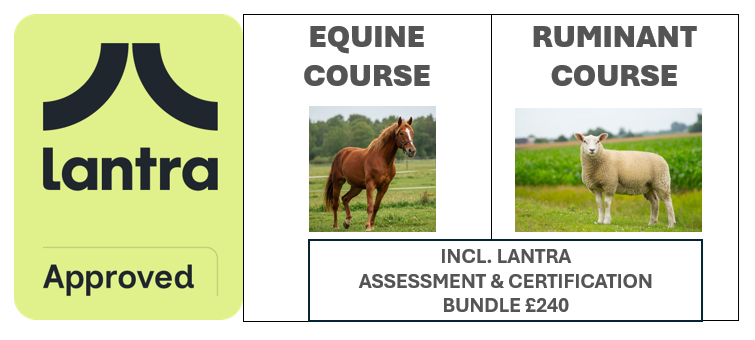
Please choose your preferred option when booking. The Lantra-accredited option includes online assessment and Lantra certification following successful completion. Assessment cannot currently be added after purchase.
FAQs
Do I need any previous experience?
No previous experience of faecal egg counting is required. The courses guide you step by step through the process, from collecting a sample and using a microscope to recognising parasite eggs and interpreting your results.
Do I need a microscope or other equipment?
You can watch the lessons and develop your knowledge without equipment. To practise the techniques and carry out your own faecal egg counts, you will need a suitable microscope and testing equipment. The courses explain what you need and how to use it.
What is included in the courses?
Each course includes video lessons, practical demonstrations, detailed microscope footage, downloadable key facts and quizzes to reinforce your learning.
You will also find links to a wide range of trusted online resources, with further reading and guidance on parasites, interpreting faecal egg count results and sustainable parasite management.
Can I study at my own pace?
Yes. You can work through the lessons at a pace that suits you, pause and replay the videos, and revisit topics throughout your access period.
How long will I have access to the course?
You will have access for 12 months from the date of purchase. During that time, you can work through the lessons, revisit the videos and explore the linked resources. Downloadable key facts can be saved for future reference.
Which animals do the courses cover?
The Equine course covers horses and donkeys. The Ruminant course covers sheep, goats and cattle, including important differences in their parasites and the interpretation of results.
Can I buy both courses together?
Yes. The Equine and Ruminant courses cost £120 each, or £180 when purchased together—a saving of £60. The bundle with Lantra assessment and certification costs £240.
What is Lantra?
Lantra is a recognised, not-for-profit awarding organisation specialising in training and qualifications for land-based and environmental industries, including agriculture and animal care. Celebrating its 60th anniversary in 2026, Lantra works with approved training providers to support high-quality learning and skills development.
Do I have to take the Lantra-accredited assessments?
No. You can choose to study without formal assessment or select the accredited option. Both options include the same teaching material and lesson quizzes.
What does the Lantra-accredited option include?
The additional £60 covers online assessments and Lantra certification following successful completion.
You complete a Core Skills assessment and the relevant species assessment. If you choose the accredited Equine and Ruminant bundle, you complete the Core Skills assessment once, plus both species assessments.
What is the pass mark for the assessments?
The Core Skills assessment requires a pass mark of 80%. The Equine and Ruminant assessments each contain nine questions and require a score of 100%. You can retake the assessments if needed.
For Lantra certification, you must pass Core Skills and the assessment for your chosen species. If you study both Equine and Ruminant, you complete Core Skills once, followed by both species assessments.
When do I need to choose the Lantra-accredited option?
Please select the Lantra-accredited option when purchasing your course if you wish to undertake the assessments and receive certification following successful completion.
The course-only option does not include formal assessment or Lantra certification.
Will a faecal egg count tell me whether my animal needs worming?
A faecal egg count provides useful information, but it is only one part of the picture. Results need to be considered alongside the animal’s age, health, management and treatment history.
The courses explain what faecal egg counts can and cannot tell you, and when additional testing or veterinary advice may be needed.
Created with