Ruminant Faecal Egg Counting & Sustainable Parasite Management
Understand the process. Develop your skills. Make your results meaningful.
Perhaps you want to start testing your own animals. Perhaps you already carry out counts but would like more confidence in your technique or identification skills.
What will you learn to do?
-
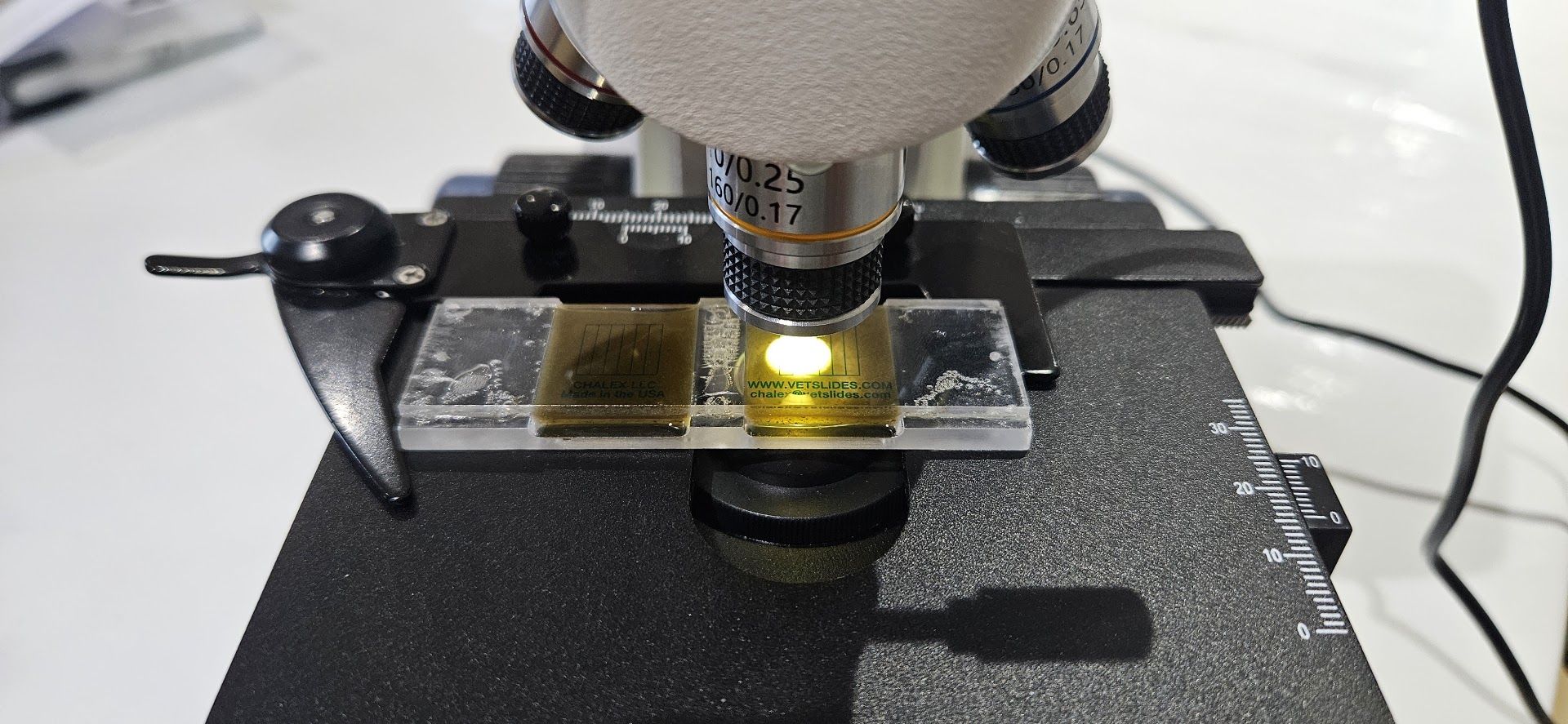
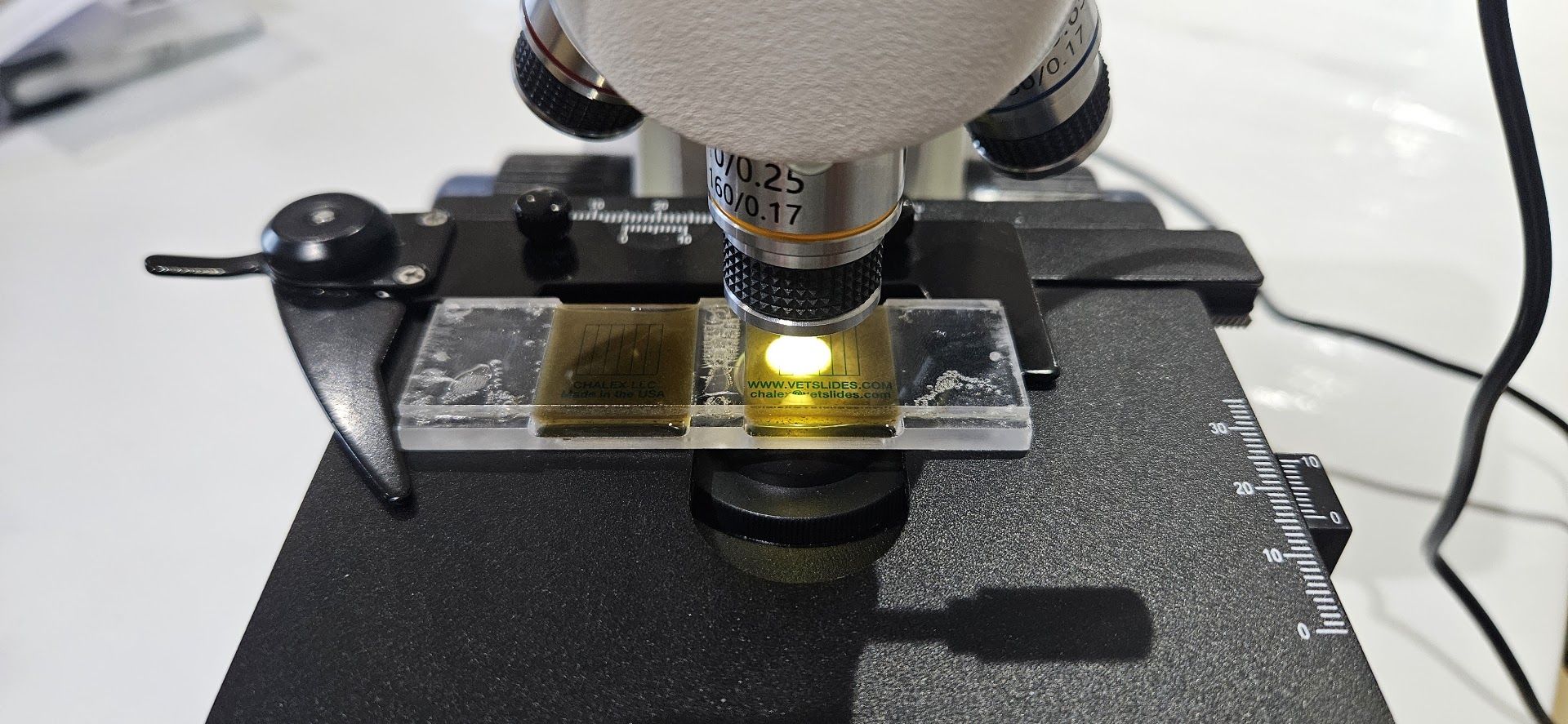
Choose suitable equipment and understand the roles of your microscope, counting slides and flotation solution.
-
Collect, label and store samples correctly to protect the reliability of your results.
-
Prepare and examine samples using the McMaster method, following a consistent process.
-
Recognise ruminant parasite eggs using their size, shape and internal features.
-
Distinguish parasite eggs from confusing debris and other material under the microscope.
-
Calculate and record eggs per gram, keeping an accurate tally.
-
Interpret results in context, considering the animal’s age, health, history and circumstances.
-
Understand wormer efficacy testing and resistance, including why checking treatment effectiveness matters.
-
Use testing within a wider management plan, alongside pasture management, nutritional requirements and biosecurity.
See the methods explained and demonstrated
Narrated lessons that explain why -
Practical demonstrations you can follow -
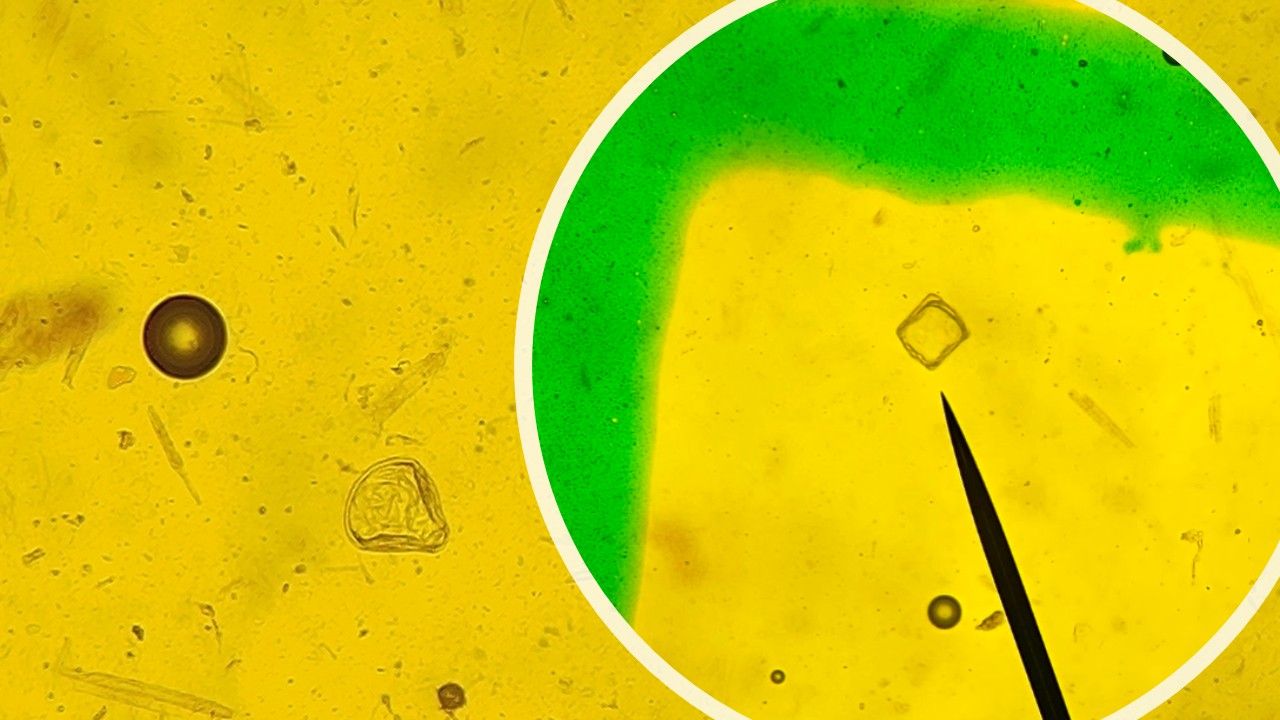
Real microscope footage -

Opportunities to check your understanding -
Your course outline
Build your understanding
Explore the equipment needed for faecal egg counting and what to consider when choosing microscopes, McMaster slides, flotation solutions and consumables.
Learn how resistance develops and how treatment practices can help preserve the effectiveness of available wormers.
Discover how faecal egg count reduction testing is used to assess treatment effectiveness, including sample timing and interpreting the outcome.
Develop your practical testing skills
Learn how counting chambers work and how to use them correctly. Learn to trouble-shoot when things don't go to plan.
Watch the testing process demonstrated, from loading the slide and examining the grids to counting eggs and calculating the result. Learn about other testing methods such as sedimentation (for fluke eggs) and Baermann (for lungworm larvae) and the use of a centrifuge.
Learn how to perform a qualitative flotation test, how it differs from a McMaster count and when it may provide useful additional information.
Recognise your findings and understand your results
Use detailed microscope footage to learn the features that distinguish parasite eggs and other stages from non-parasitic material.
Resources to support your learning and practical work
-
Downloadable key facts sheets to reinforce all main learning points.
-
Downloadable step-by-step faecal egg counting instructions.
-
Downloadable ruminant parasite identification charts.
-
Downloadable example parasite tally sheet.
-
Downloadable equipment guidance and microscope tips.
-
Downloadable supporting instructions covering centrifuge use, the Baermann technique for lungworm and sedimentation for liver fluke.
-
Optional reading and comprehensive external resources for optional further study.
-
Access to private FEC it® Facebook group - for ongoing support and discussion
Who is this course for?
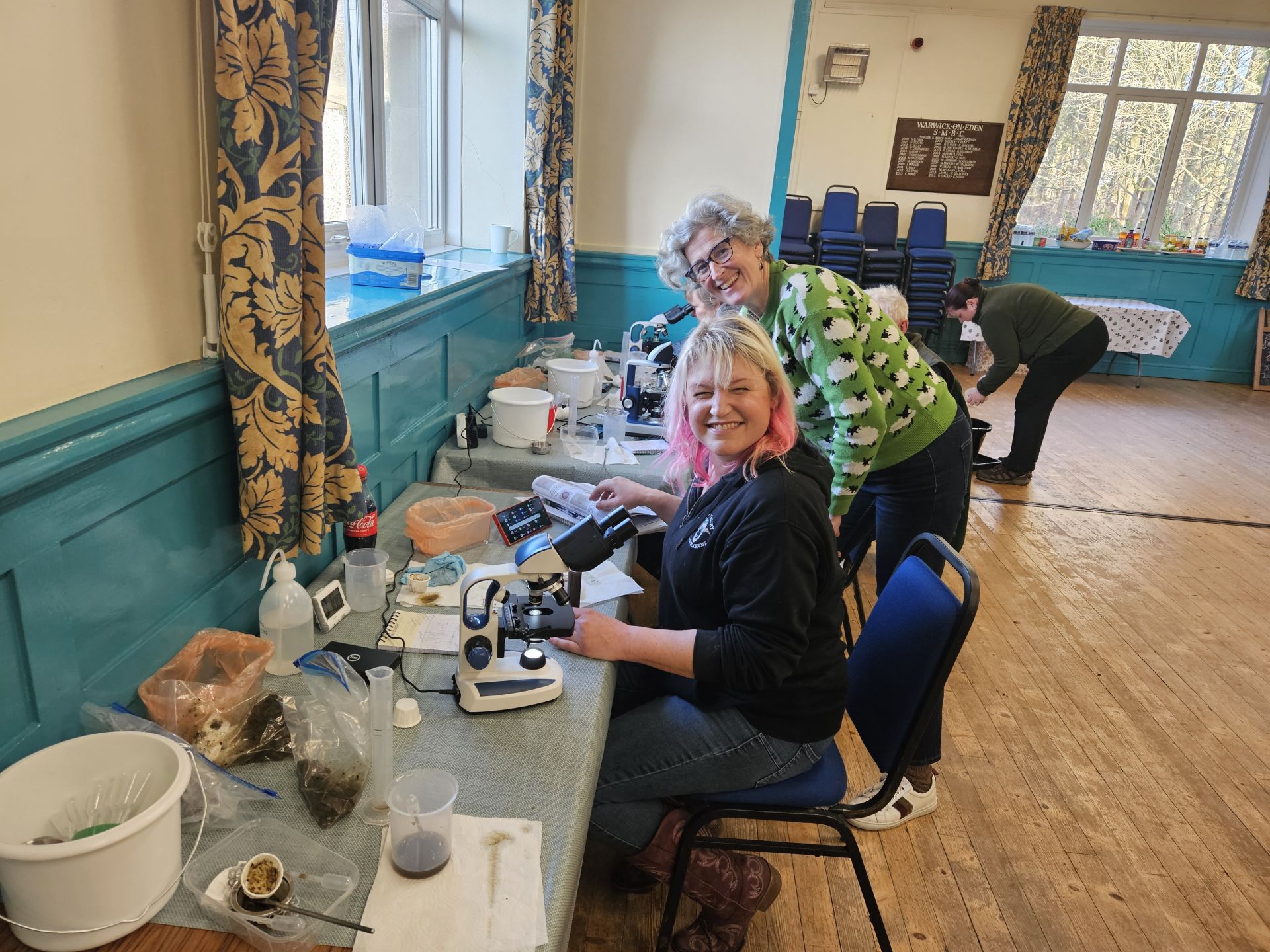
This course is suitable for sheep, goat and cattle owners, smallholders, commercial farmers and anyone wishing to develop their understanding of faecal egg counting and sustainable parasite management.
It provides a structured introduction for new learners and an opportunity for those already testing to review their methods, strengthen identification skills and improve their understanding of results.
How long should I allow?
Allow approximately 6–8 hours to work through the videos, supporting materials and knowledge-check quizzes.
The course is self-paced, so you can study in manageable sections and revisit topics as you progress. Allow additional time for practical activities and optional further reading.
Do I need equipment before I start?
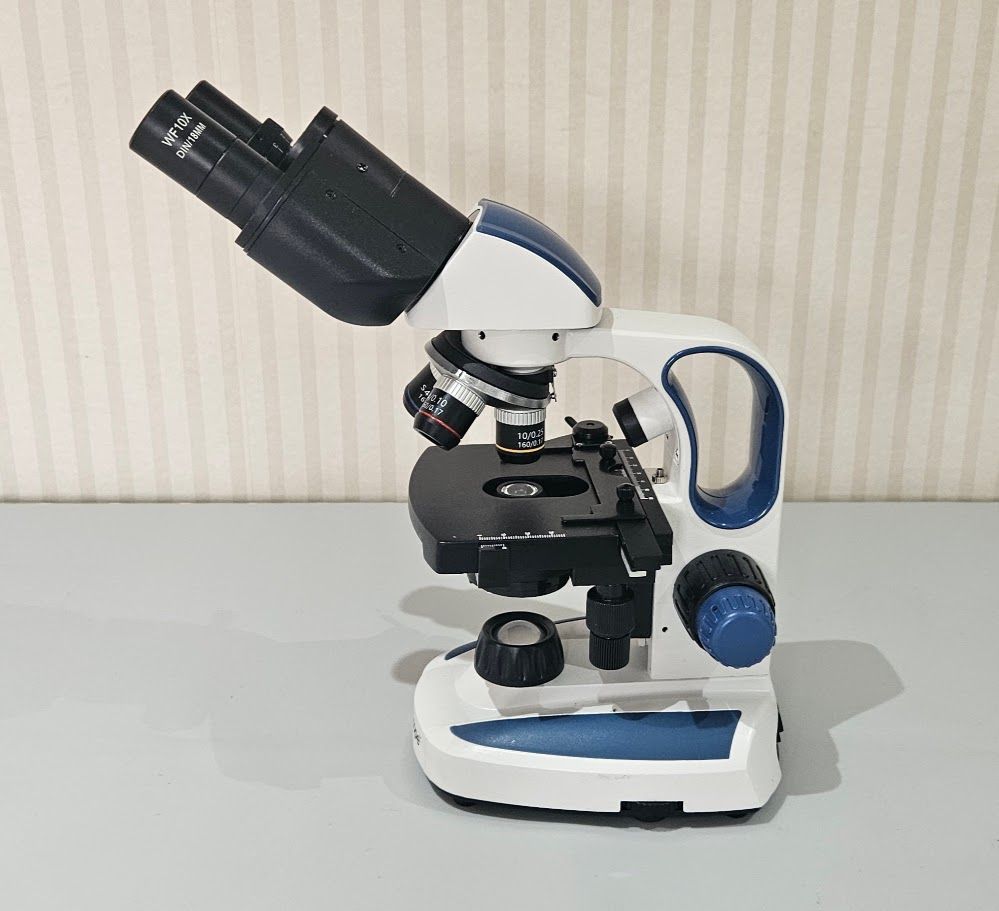
You can begin by learning the principles and reviewing the equipment guidance before purchasing equipment.
To practise the testing methods yourself, you will need a suitable microscope, McMaster slide, flotation solution and the necessary sample preparation equipment.
Choose your course option
Ruminant course £120
Complete teaching content without formal assessment
Ruminant course with LANTRA certification — £180
Complete teaching content plus assessment and certification