Equipment required

To carry out faecal egg counts, you will need the following equipment:

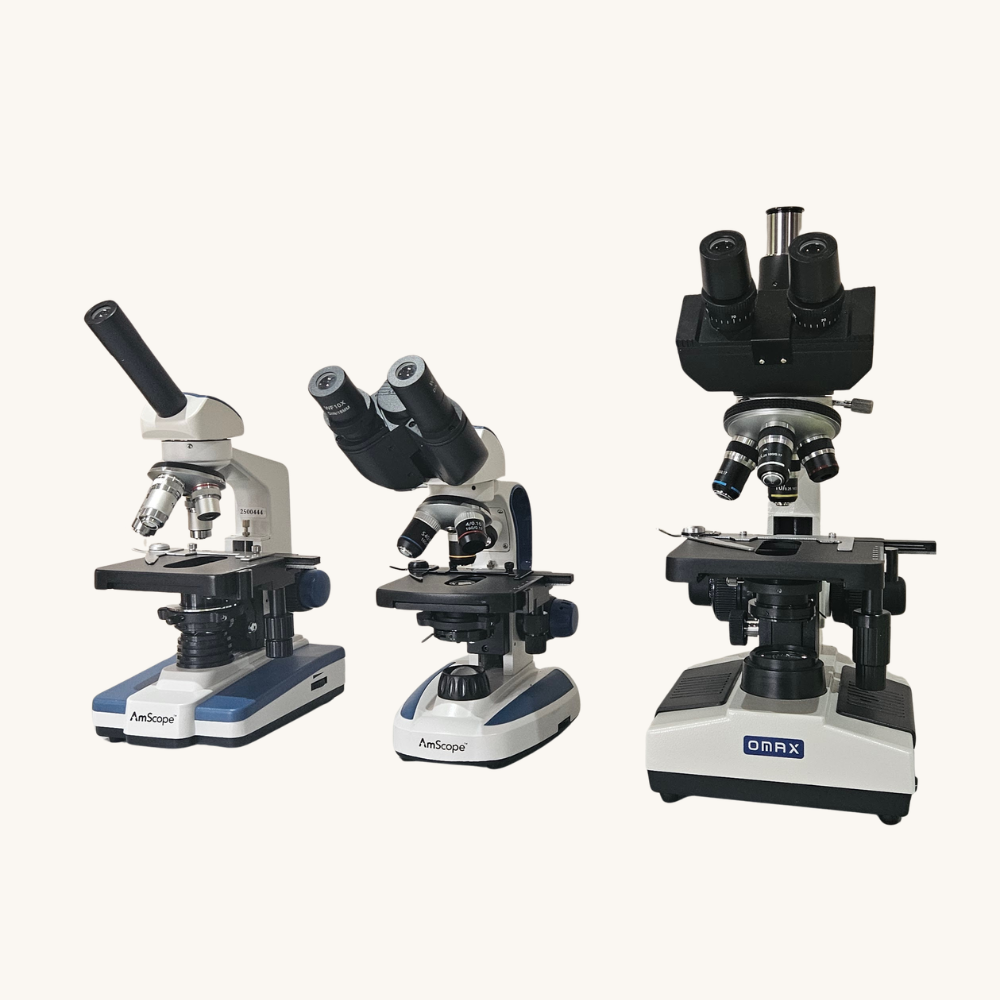
  • Microscope
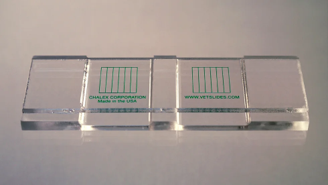
  • McMaster slide
  • Flotation solution
  • Other small items for carrying out the test

Microscopes

Microscopes vary wildly in price and you can get by with a monocular scope as well as a binocular scope – it just depends whether you want to use one eye or two. You can also buy microscopes with LCD screens but we advise caution when purchasing microscopes with screens, as image quality varies enormously - you generally get what you pay for!

It is vital, however, that your microscope is capable of 40x and 100x magnification and that it has a mechanical stage, or you will not be able to navigate the slide easily. 

Sometimes 40x is referred to as 4x and 100x as 10x – this is because with a compound microscope the power of the lens is also multiplied by the power of the eyepiece (typically 10x).

Amscope and Vetlab Supplies are both suppliers of quality microscopes in the UK.  Amscope have offered discounts on microscopes for our learners.  Codes are supplied within the course material.

Both Amscope and Vetlab Supplies have also supplied discount codes for learners on other equipment.

McMaster slide

There are a number of different methods for carrying out faecal egg counts. The most common and efficient way to obtain faecal egg counts for livestock, equines and other grazing animals is to use the Modified McMaster Test.


This is a flotation test that separates parasite eggs from debris based on their density. By using a dense flotation solution, the eggs float to the surface of the counting chamber.

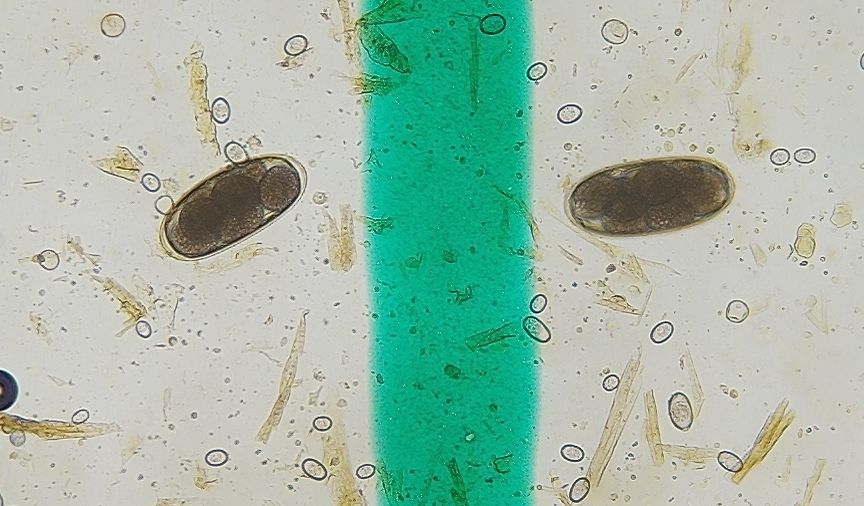
The slides are calibrated to hold an exact amount of solution. When the correct amount of faecal matter and solution is prepared and transferred to the slide, reading the number of eggs showing in the grids enables us to calculate the eggs per gram (EPG) in the prepared sample.


Beware of purchasing slides from sources that cannot guarantee accuracy. We recommend purchasing a quality slide from a specialist manufacturer.  We prefer a coloured grid, as it is much easier to read the slide accurately.

At FEC it, we use slides from the original USA manufacturer - Chalex.  You can also buy quality coloured grid slides from Vetlab Supplies and FEC Source.


These slides are sometimes available on Amazon.


Flotation solution

There are many different types of flotation solution and it is not necessary to purchase a commercially-prepared solution as long as you are always consistent with what you use. Your aim is to prepare a solution that is denser than the eggs you are looking to float.

We teach how to prepare an easy and very inexpensive flotation solution.


Other equipment required

  • Disposable gloves, collection pots or small plastic bags
  • Small jewellery scales
  • Graduated cylinder or large syringe
  • Plastic beaker or disposable cups
  • Metal spoon or disposable tongue depressors / lolly sticks
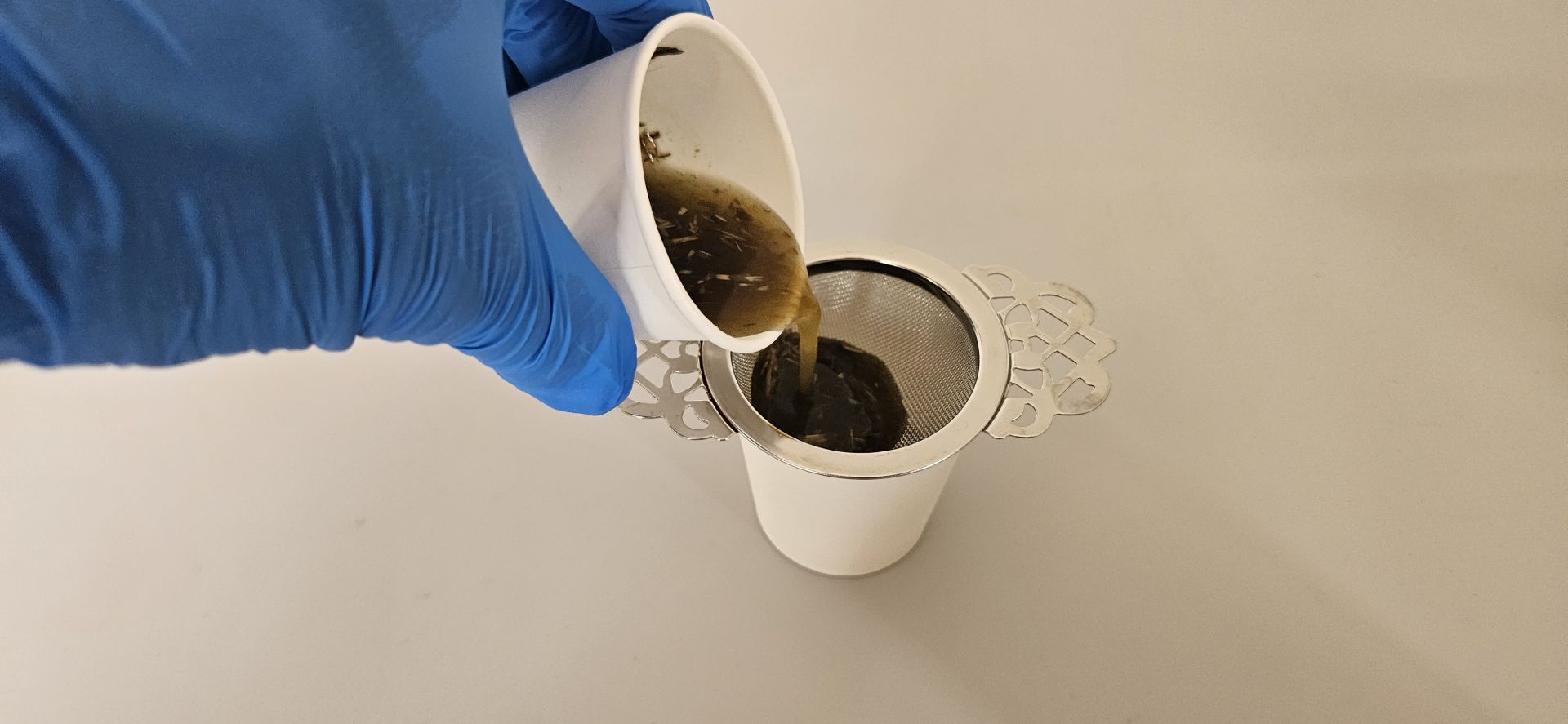
  • Strainer, sieve or muslin / cheesecloth
  • Pipettes or small syringes
  • Wash bottle or small jug

Approximate cost

Microscope – from £160 for one with mechanical stage (using discounts negotiated for those attending workshops). Without discounts – approx. £195+.

McMaster slide (coloured grid preferable) – £25+ 

Other equipment - around £20 - £40

Some items can be bought on Amazon and eBay.

It is therefore possible to set yourself up with a good quality microscope, and all the kit, for little over £200 (using discounts). Ongoing costs would only be for more flotation solution (pennies), disposable cups (if using) and pipettes.

In our opinion, it is important to not only weigh up the financial benefits of doing your own faecal egg counts, but also consider the peace of mind and control that it gives you, including understanding the anthelmintic resistance profile on your property. That is hard to quantify.
Created with